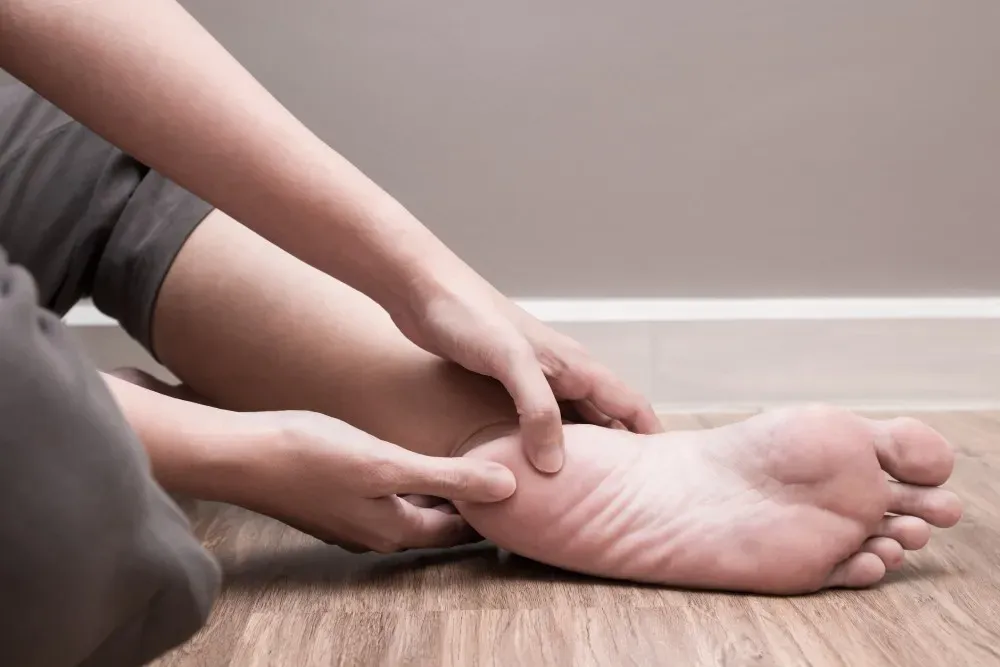
Heel Spurs: Causes, Symptoms, and Treatment Options
Heel pain is one of the most common foot complaints, and many patients are told they have a “heel spur.” While heel spurs are often associated with pain, they are not always the true cause.
Understanding heel spurs, what causes them, and how they are treated can help you find the right solution for long-term relief.
What Is a Heel Spur?
A heel spur is a bony growth (calcium deposit) that develops on the underside of the heel bone. It forms over time due to repetitive stress and strain on the foot.
Heel spurs are often seen on X-rays, but many people have them without any symptoms.
Do Heel Spurs Cause Pain?
One of the most common misconceptions is that the heel spur itself causes pain.
In most cases, the pain is actually due to inflammation of the plantar fascia, a thick band of tissue that supports the arch of the foot. This condition is known as plantar fasciitis.
The heel spur is usually a result of long-term strain rather than the direct source of pain.
What Causes Heel Spurs?
Heel spurs develop over time due to repeated stress on the heel and surrounding tissues.
Common causes include:
- Plantar fasciitis
- Flat feet or high arches
- Poor foot mechanics
- Prolonged standing or walking
- Improper footwear
- Obesity or increased body weight
Over time, this stress can lead to calcium buildup and spur formation.
Symptoms of Heel Spurs
Many heel spurs do not cause symptoms. When symptoms are present, they often include:
- Sharp pain in the heel, especially with the first steps in the morning
- Pain after periods of rest
- Tenderness at the bottom of the heel
- Discomfort after long periods of standing
These symptoms are often related to plantar fasciitis rather than the spur itself.
How Are Heel Spurs Diagnosed?
Diagnosis typically includes:
- A physical examination
- Evaluation of foot structure and walking pattern
- X-rays to identify the presence of a heel spur
Imaging helps confirm the diagnosis but is not always necessary.
Treatment Options for Heel Spurs
Treatment focuses on reducing inflammation and relieving strain on the foot.
Conservative Treatment
Most patients improve with non-surgical care, including:
- Stretching exercises for the plantar fascia and Achilles tendon
- Supportive footwear
- Custom orthotics
- Activity modification
- Anti-inflammatory medications
Advanced Non-Surgical Treatment
For persistent heel pain, advanced therapies may include:
- Class IV laser therapy to reduce inflammation and promote healing
- Corticosteroid injections in select cases
Surgical Treatment
Surgery is rarely needed but may be considered when conservative treatments fail.
Procedures may involve releasing the plantar fascia and addressing the heel spur if necessary.
Preventing Heel Pain
You can reduce your risk of heel spurs and plantar fasciitis by:
- Wearing supportive shoes
- Stretching regularly
- Maintaining a healthy weight
- Avoiding prolonged standing when possible
When Should You See a Podiatrist?
You should seek evaluation if you have:
- Persistent heel pain
- Pain that limits walking or activity
- Symptoms that do not improve with rest
Early treatment can prevent chronic pain and improve recovery.
Find Relief From Heel Pain
Heel spurs are common, but they don’t have to limit your daily activities. With the right diagnosis and treatment plan, most patients experience significant relief.
At Gentle Foot and Ankle Care, we treat heel pain and plantar fasciitis using both conservative and advanced therapies. If you are experiencing ongoing heel pain, schedule an appointment to get back on your feet comfortably.